
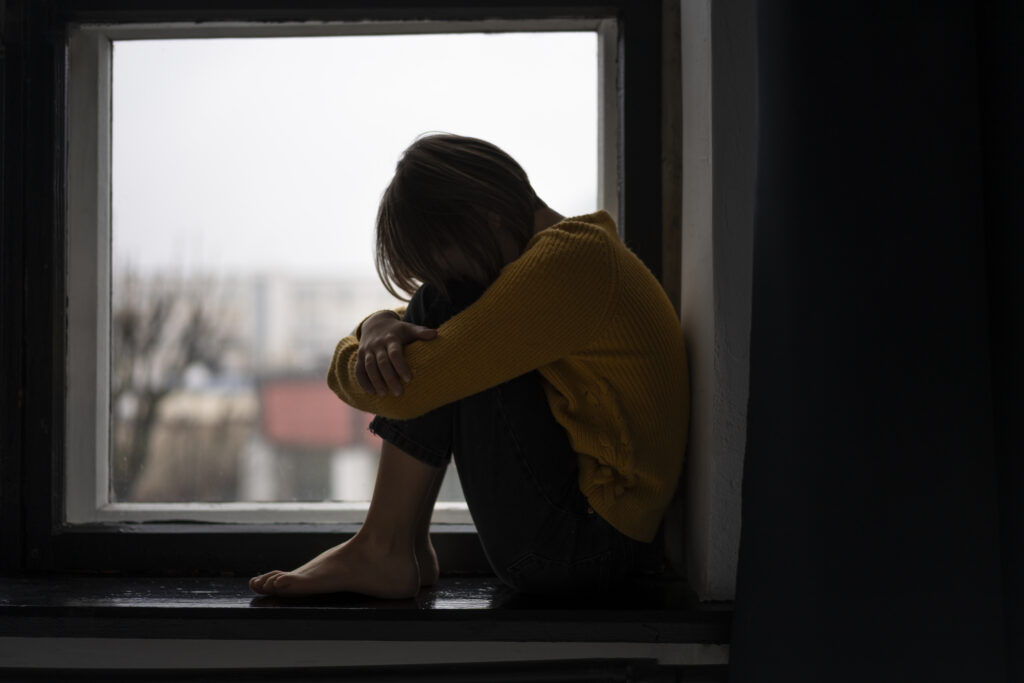
Flashbacks, hypervigilance, anxiety, avoidance… Learn about the symptoms of post-traumatic stress and how to begin the healing process.
What is post-traumatic stress?
After an accident, assault, sudden loss, disaster or any event perceived as threatening, some people develop persistent symptoms.
The brain remains on high alert and the body is unable to calm down. This survival mechanism, which is useful in the moment, becomes overwhelming when it continues over time.
The main symptoms
1. Flashbacks and recollections
Images, sounds or sensations arise without warning, as if the scene were being replayed. These moments may be accompanied by anxiety, panic or a feeling of disconnection from the present.
2. Avoidance
To stop feeling the pain, the person tries to avoid anything that reminds them of the event: certain places, people, conversations, or even their own emotions. This avoidance provides short-term protection, but perpetuates suffering in the long term.
3. Hypervigilance
The body remains in a constant state of alert. Difficulty falling asleep, startling, irritability, physical tension, or a feeling of constant danger are common. Energy is focused on survival, to the detriment of relaxation and social connection.
4. Emotional and cognitive alterations
Memory problems, guilt, shame, feelings of unreality or detachment, loss of interest in things that used to matter. Many describe feeling ‘different since it happened’.
Normal reactions to an abnormal event
These symptoms are not a sign of personal weakness. They are the result of a nervous system that is trying to regain balance after being overwhelmed. Understanding this helps to relieve guilt and recognise that support is needed to alleviate this imbalance.
How to start healing
- Talk about what happened, at your own pace, in a safe and supportive environment.
- Gradually reconnect with the present (breathing, grounding, simple routines).
- Seek support from a therapist trained in psychological trauma (EMDR, stabilisation therapies, etc.).
- Take care of your body: sleep, nutrition, exercise, without striving for performance.
Healing from trauma means relearning how to feel safe in your body and trust life again.
If you recognise these symptoms in yourself, know that there are effective approaches to help you regain inner peace and stability.